Shelf space, not taste, is usually the problem with someone who has everything: anything you buy either doubles up on what they own or crowds a home they are trying to keep clear.
That finding shapes this list, which runs from personalized gifts and a flowering plant to a themed gift box and a framed family photo.
Gifts that get used up, grow, or turn into a night out beat objects that need a place to sit, and Cornell psychologist Thomas Gilovich found that experiences satisfy people longer than possessions do.
1. Personalized Gifts
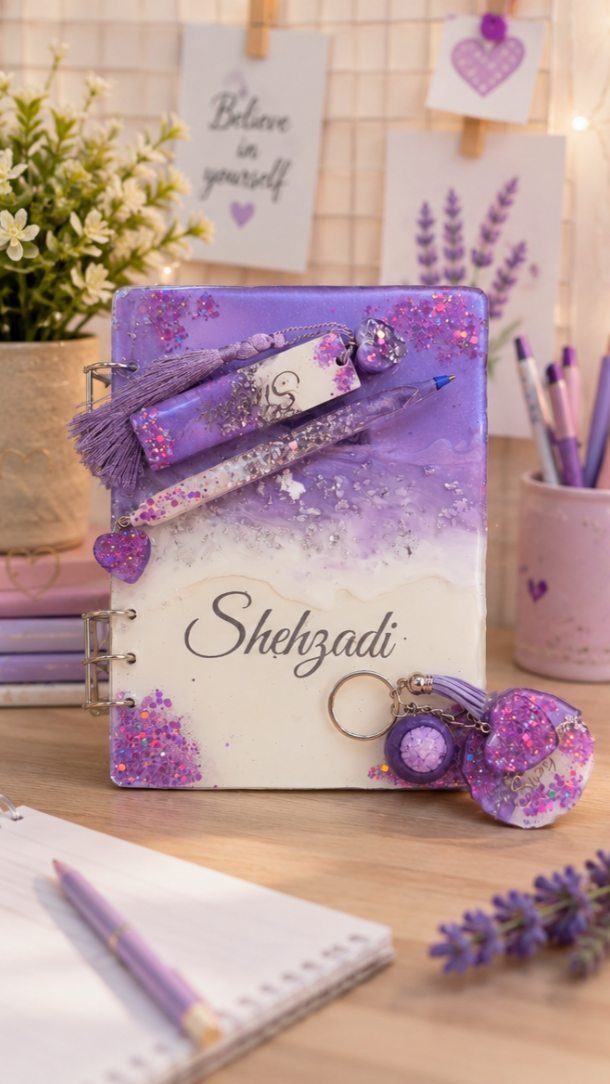
A name on the cover does more work than any gift-shop label, and a notebook with the recipient’s name is a good example.
Pick a color they already gravitate toward, since a glittery purple cover only suits someone who likes sparkle.
Stationery gets used up and carries no clutter.
Proofread the name or monogram 2 times before you place the order, since personalized items can’t be returned. A misspelled name can’t be returned.
2. Decorative Candles
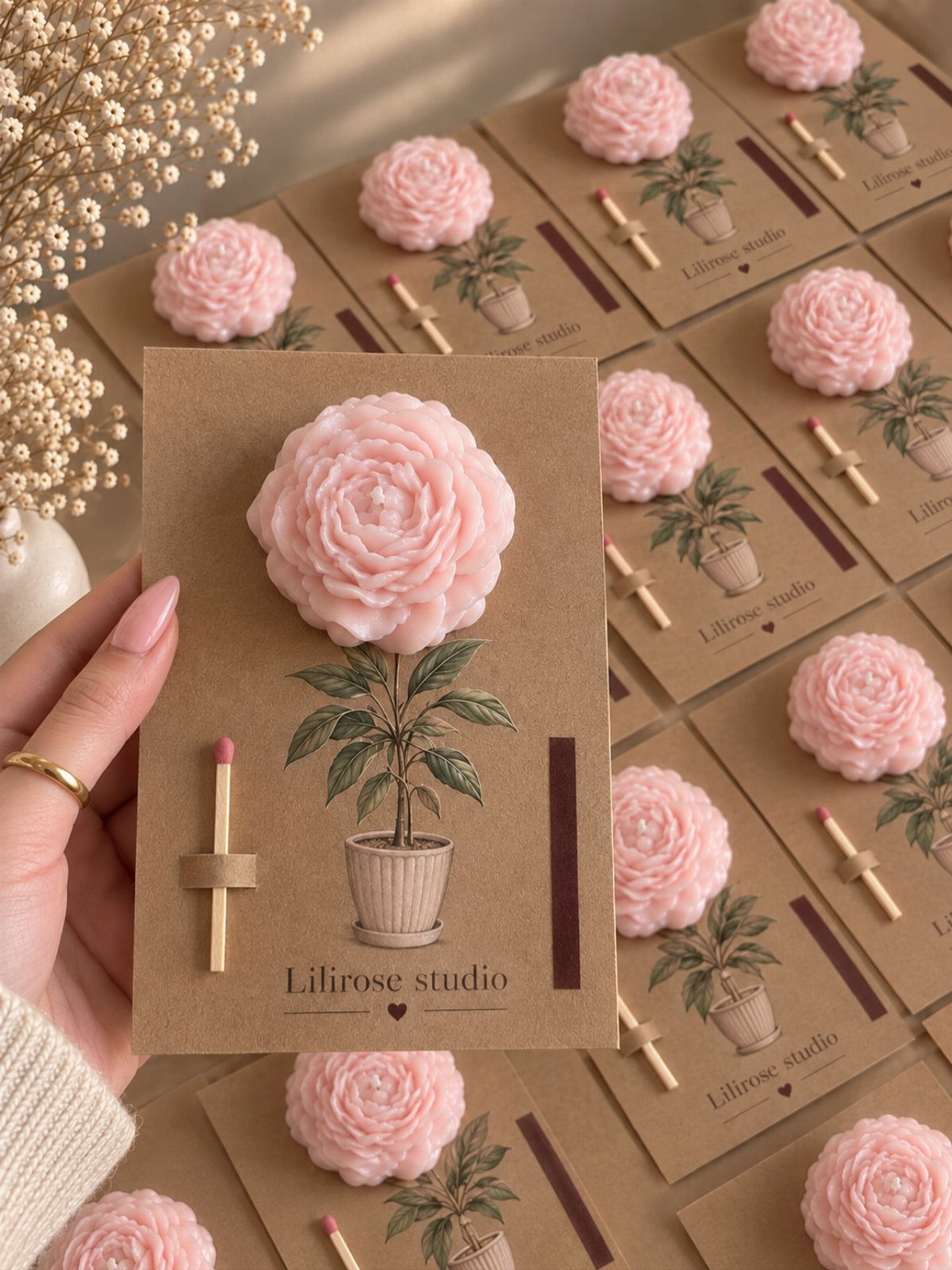
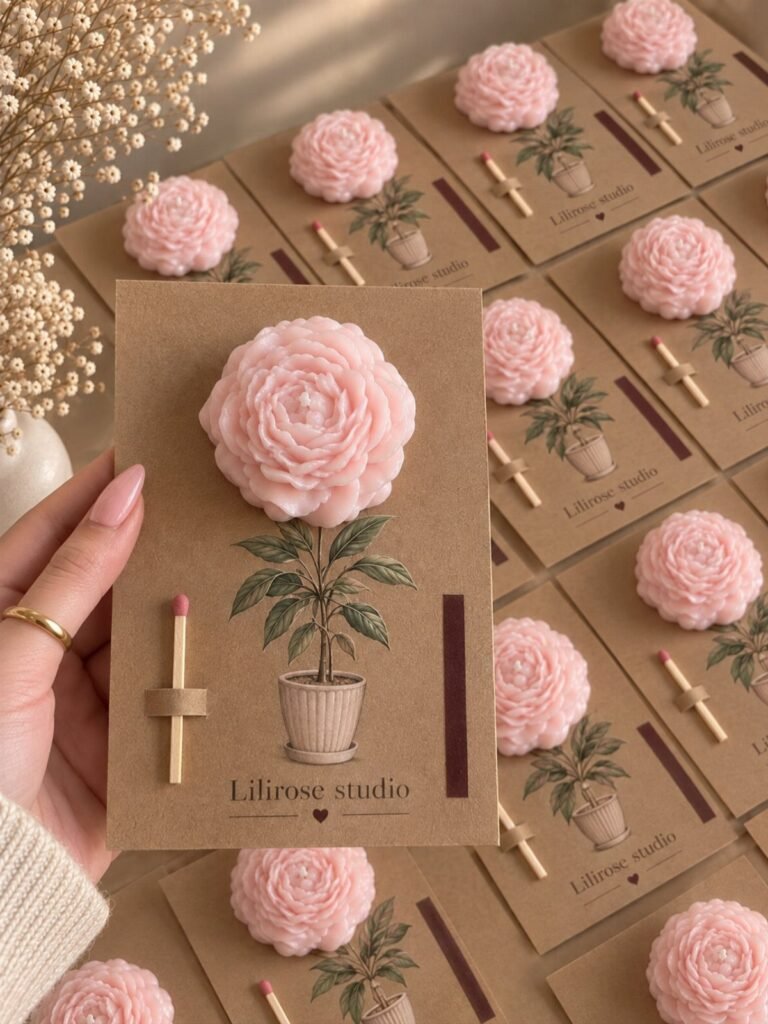
Candles shaped like pink roses solve the "they already own candles" problem, because a flower-shaped one is more of an object than a jar. Scent matters less than shape here, so choose by design first.
A small candle gives you a gift that burns down and disappears, which suits a person with full shelves. Tucking matches in with it keeps the present ready to use.
I would buy one for a casual gift, or a few at once to hand out at a party.
3. Flowering Plants
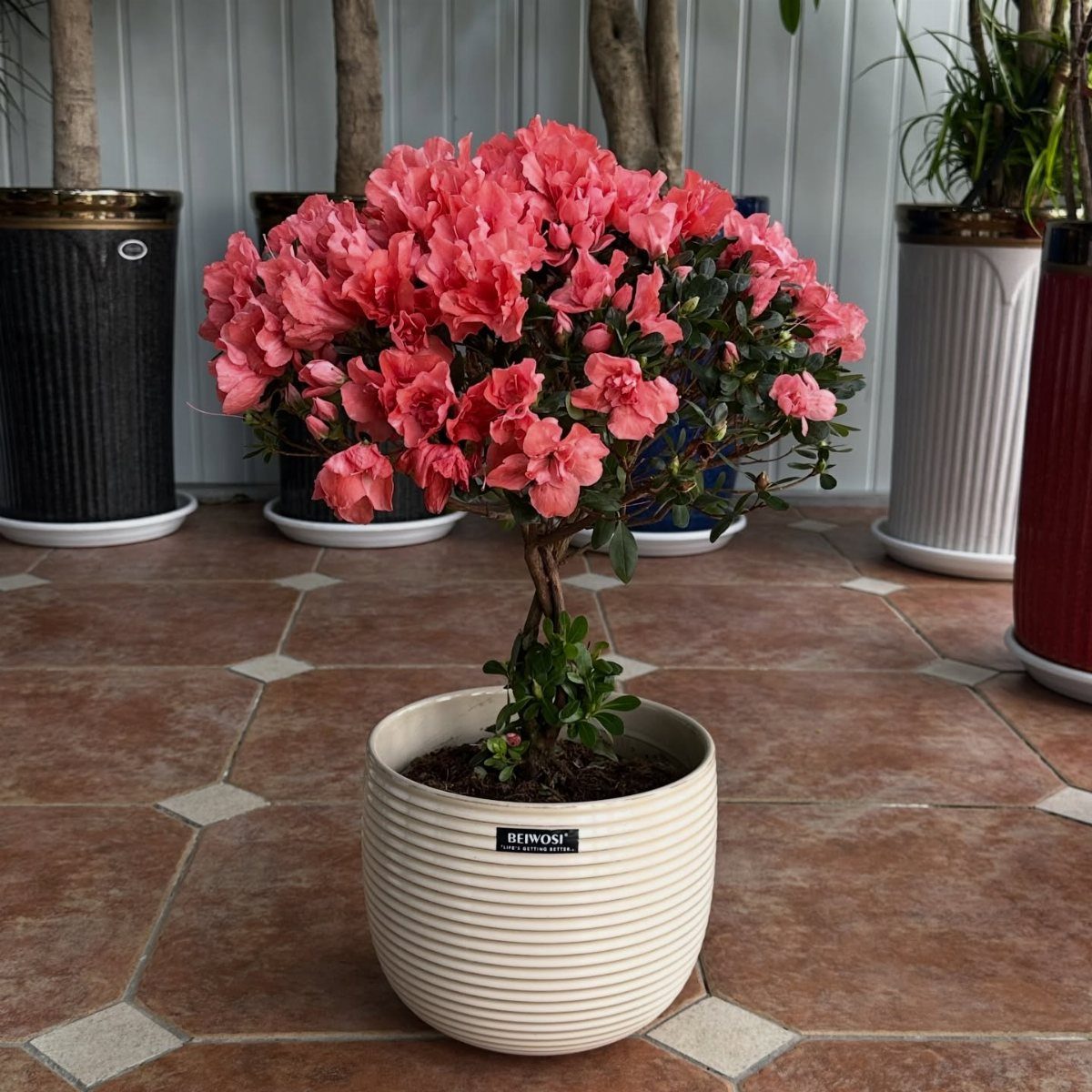
The bloom is the draw, so pick a plant already covered in flowers.
Flowers fade and a plant stays, which makes this feel more lasting than a bouquet. Ask the seller how to water it, since care varies by plant, and add that note to the gift.
A plain white pot suits most homes, and that’s the reason I’d choose it.
4. Gardening Gift Set
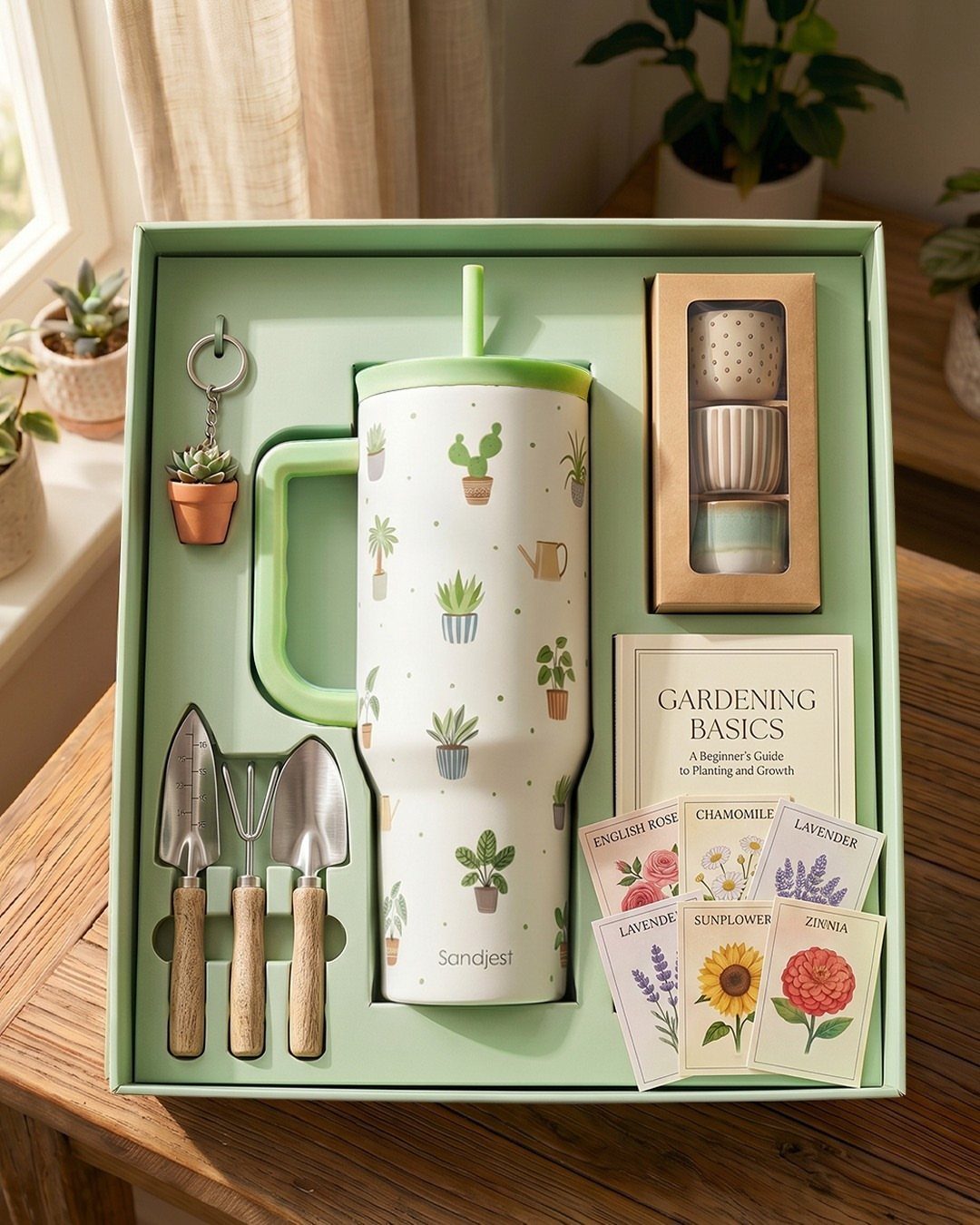
Mini hand tools, seed packets, a tumbler and a beginner guide fit into one small green box, and that mix is what makes this set work for someone who has never gardened. The guide means they need no prior knowledge.
Seeds are a cheap, low-clutter way to start, and a plant-themed tumbler gives the box a use beyond the garden.
I’d skip sets with oversized tools. Small ones fit a windowsill or balcony, so a person without a yard can still use them.
5. Braided Money Tree
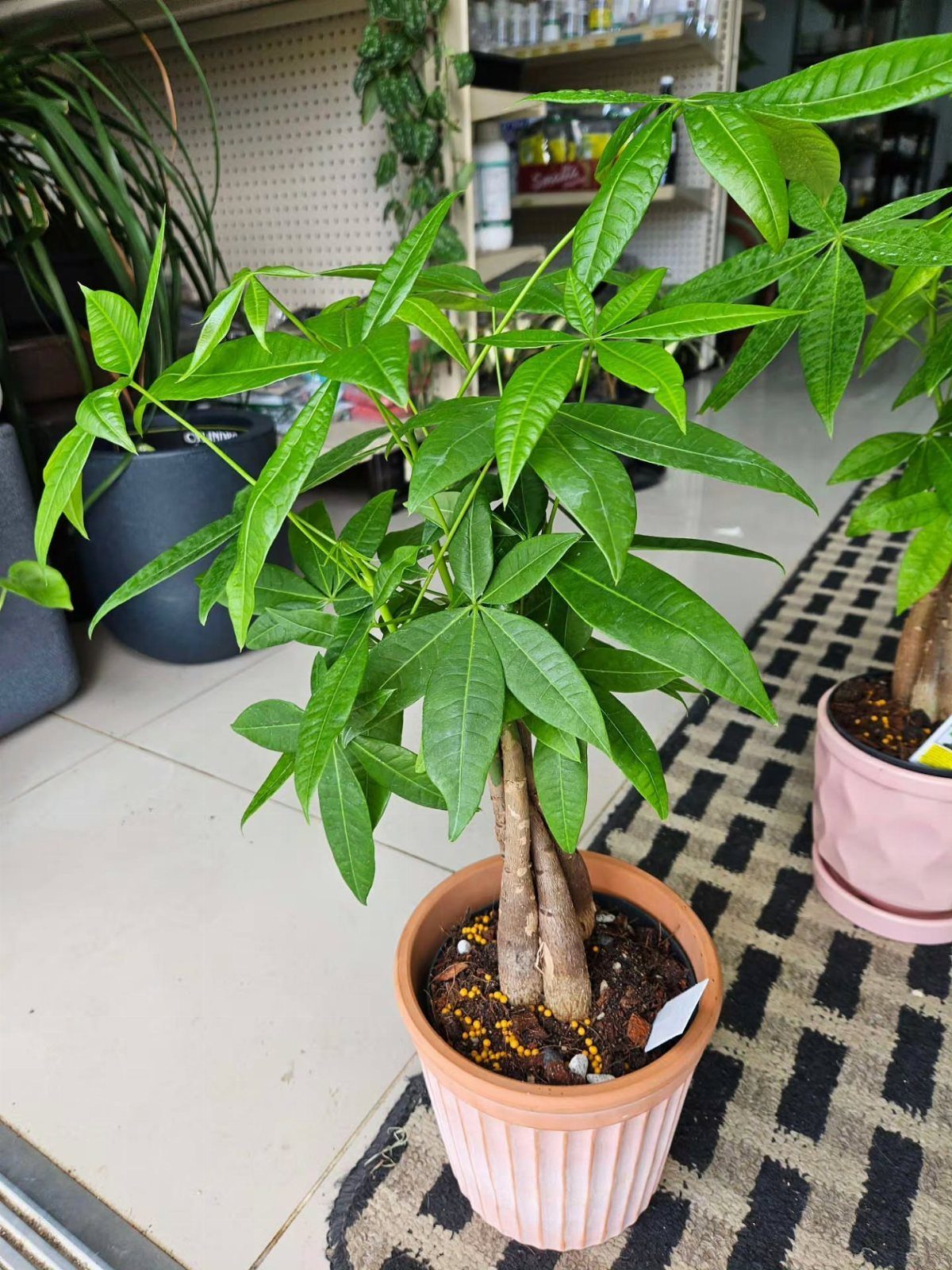
Three or more trunks braided into one thick stem give a money tree its sculptural look, and that shape is why it gives well as a gift.
A ribbed ceramic pot in terracotta or pink gives it a current look instead of the standard nursery-plant one.
Choose the pot to match the recipient’s decor. A plant that fits an existing shelf won’t add clutter, which is the whole goal with this reader.
Add a short care note, because plants make better gifts when the person knows how to keep them going.
6. Mini Aquatic Terrarium
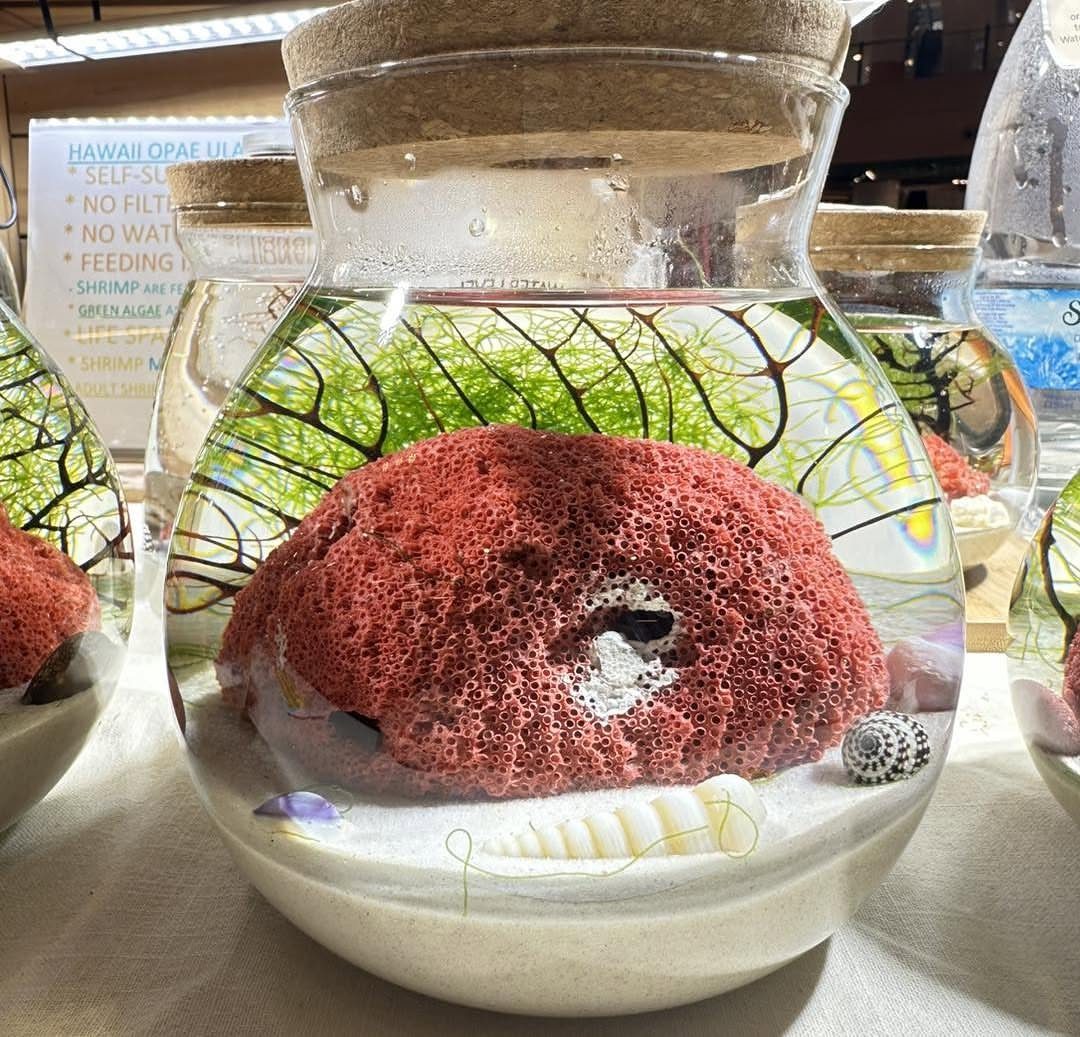
A small glass jar with a cork lid holds white sand, shells, a red porous rock and green plants, a tiny landscape that sits on a desk without taking over.
The red rock gives it a focal point most plants lack.
For someone who owns everything, the appeal is novelty: very few people have a jar like this. I like the cork lid, since it looks finished and handmade.
Ask the seller about care before buying, as water setups differ and the recipient will want clear instructions.
7. Curated Themed Gift Box
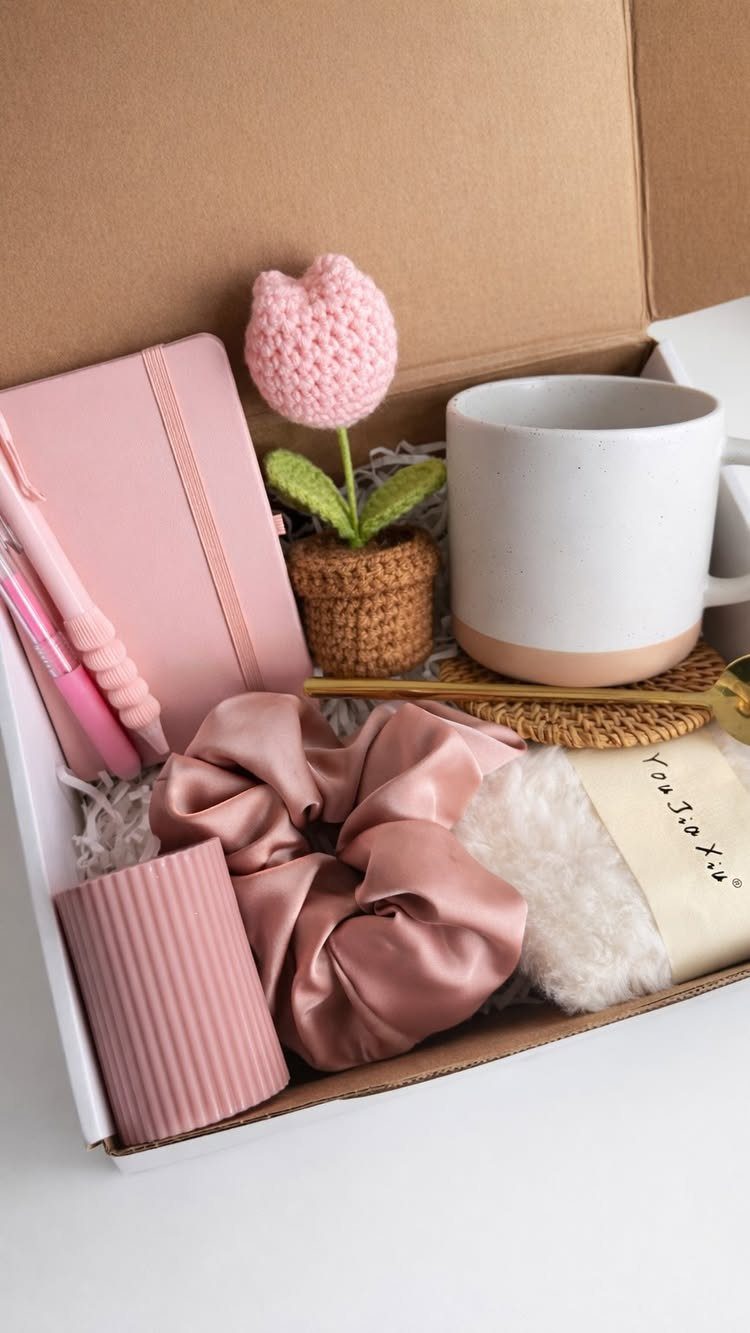
Everything looks chosen together, so a handful of small items reads as one present.
Pick one color the recipient already wears or uses, then buy every piece in it. Useful things like a notebook and mug get used up or used daily, so the box adds little clutter.
8. Framed Family Photographs
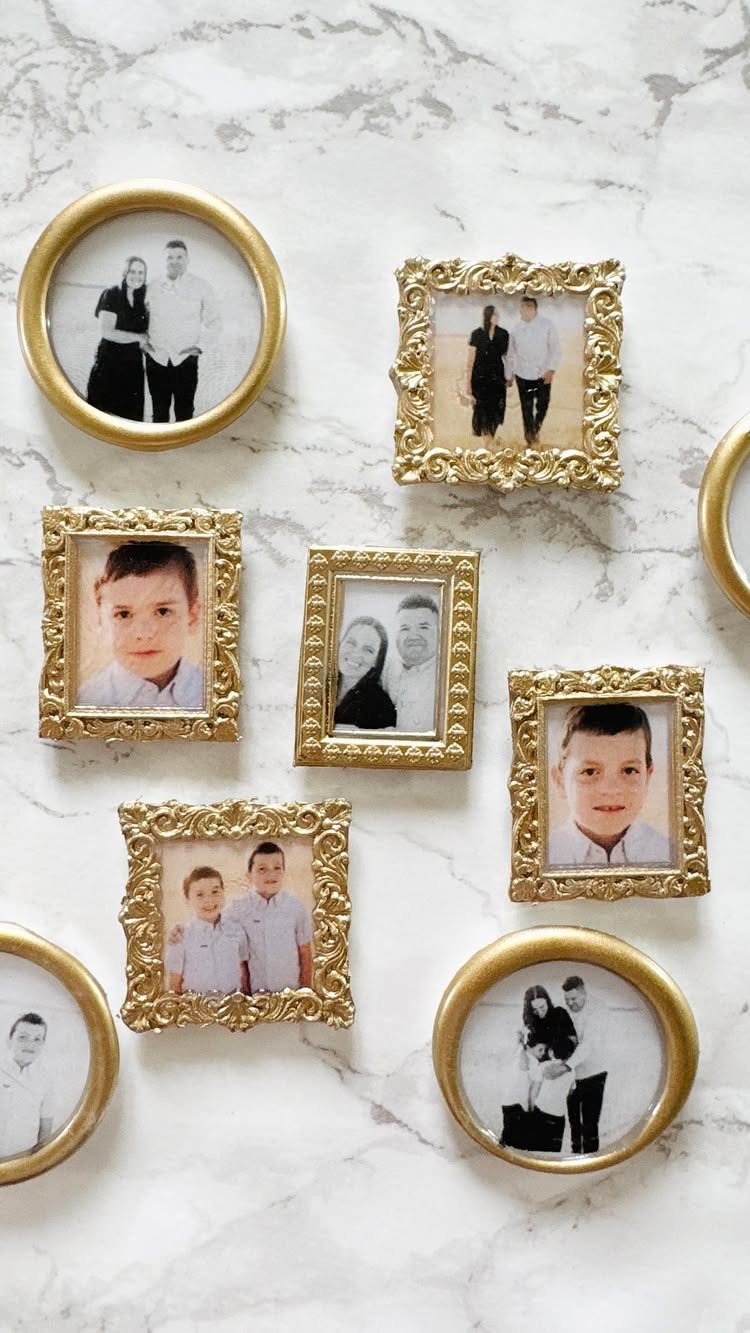
A set of gold frames in mixed shapes, each holding a family portrait, looks collected over time. Matching the metal finish while varying the shapes keeps a group of frames from looking like a store display.
For a person who owns everything, photos of their own people are the one thing they can’t have bought already. Choose the pictures yourself, and include some of the 2 young boys alone as well as the whole family.
Frames take up shelf space, so I’d give a few at a time instead of all seven.
Importance of Experiences
Someone who has everything usually isn’t picky.
The shelf space for useful objects is simply full, so anything new either duplicates what they own, loses to a version they picked themselves, or adds to a house they’re trying to keep clear.
An experience skips that problem. Cornell psychologist Thomas Gilovich and his co-authors found that experiences leave people more lastingly satisfied than possessions do.
A separate study of 1,788 participants across four experiments found that experience gifts strengthen the bond between giver and recipient more than objects do. Emotion drives that effect, specifically what the person feels while they are enjoying the gift.
A workshop works well as a group gift. Pull in a few friends and the present becomes an evening everyone shares, such as a floral design class, a wreath-making event or a bouquet session.
Thoughtfulness Over Price
Novelty beats price here. An unusual gift that costs less will outdo an expensive one the person has seen a hundred times.
"Has everything" nearly always means "has every object," so a gift that can’t duplicate anything starts with a real advantage.
If you don’t want to buy a single item, build a small collection around who the person is. Ask yourself whether they’re a foodie, a plant lover, a fragrance fan or someone who loves hosting.
Once you know that, the pairing is easy: honey with a handwritten card, or soap with hand lotion. Pull a few pieces around one theme and the gift reads as planned, not as a last-minute grab.
When the recipient has strong taste, let them choose. Guessing for that person is the riskiest move.
Either way, the act of gift-giving itself strengthens any relationship, making your present less about the thing itself and more about making them feel special during the holidays – or even just because.
Avoiding Clutter
If an experience doesn’t fit, 2 other categories avoid clutter: consumables and charitable gifts.
Consumables include good food, wine and coffee.
They get used up, so they can’t pile up. The weakness is that they’re easy to forget, and a person with refined taste already buys their own favorites.
For a person who is working to own less, a donation in their name fits well. Unless I knew their views well, I would skip it, since it can come across as a way to avoid choosing.
Both are reasonable fallbacks. Neither leaves the memory an experience does, so I’d treat them as plan B.
Frequently Asked Questions
What is a good Christmas gift for someone who is impossible to buy for?
Aim for something they’d never book on their own, like a hands-on workshop or an offbeat outing.
What if I don’t want to give an experience to someone who has everything?
Try a consumable, such as good food, wine or coffee, or a donation in their name.
Consumables get used up, so they can’t pile up, though a person with refined taste may already buy their own favorites. I treat both as plan B.
Does the price of the gift matter for someone who has everything?
Novelty matters more than price. A modest, odd little gift beats a pricey one they’ve already seen everywhere.
How do I choose a gift when I can’t pick a single item?
Start with who they are, whether that’s a cook, a plant person, a fragrance collector or the friend who always hosts, and build a small set around it.
From there, pair two or three pieces, such as honey and a handwritten note, or a bar of soap and a hand lotion. Items tied to a single theme look planned, not grabbed on the way to the register.